Edge walking
Stay beside boundaries where two textures meet—sidewalk and lawn, fence shadow and sun. Let your eyes soften so movement at the periphery registers first.
Ideas you can borrow without preparation. Read one block, close the device, try a cue within the next day. None assume fitness benchmarks or remote adventure—they align attention with weather, texture, and distance. For routine weaving see outdoor rhythm; questions go to contact.
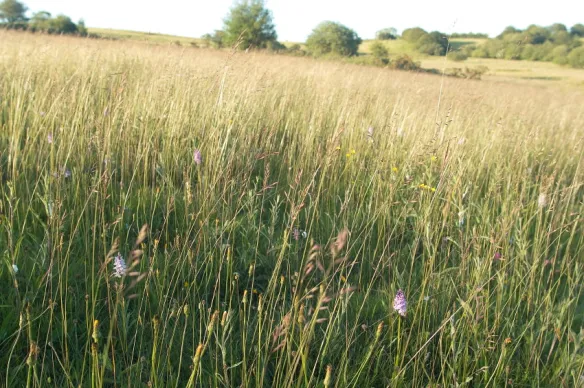
Walks here are defined by curiosity width rather than mileage.
Stay beside boundaries where two textures meet—sidewalk and lawn, fence shadow and sun. Let your eyes soften so movement at the periphery registers first.
Track four breaths to the rhythm of footfall, then release the count. Repeat only if it still feels spacious, not dutiful.
Choose a loop you can walk in under fifteen minutes. Repeat weekly at different hours, noting what repeats and what surprises once.
Motion responds to ground, not to metrics.
On level grass or carpet strip outdoors, roll from heel through outer edge of foot as if tracing a slow semicircle, then lift toes. Mirror side. Rest between.
Find one medium stone you can hold. Pass it hand to hand at hip height while walking three measured steps, focusing on weight transfer in palms.
Stand beneath an awning or wide tree. Imagine moisture traveling down vertebrae as you exhale; inhale lifts the crown without pulling shoulders.
Stillness practices complement walking segments. Pair them with soft reflection rituals described on the outdoor rhythm page.
All materials and practices on this site are educational and informational, aimed at supporting general well-being. They are not medical diagnosis, treatment, or advice. Before adopting any practice, especially with long-term conditions, consult a qualified clinician.